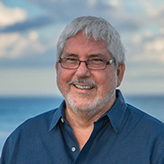
 It is with a sad heart that I share that Excellence in Ministry Coaching’s founder and leader, Dr. Phil Maynard, died unexpectedly a couple of weeks ago. Phil was a military veteran, medical technician, a musician, second-career local pastor of thriving congregations, discipleship expert at the conference level, multi-volume author, certified coach and trainer, and small business owner. Also, he was my friend. I wanted to honor him in this space this week and tell you a little bit about what made him a good guy, an effective leader, and an inspiring ministry partner.
I first met Phil more than 25 years ago when he arrived at Peace UMC in south Orlando. I had been the youth director there, and he brought me back in to help bridge the transition when the current youth director left. We found we shared many ministry passions, chief among them a zeal for creative worship design, and we worked together to build a creative worship design team among the most robust I have ever known. Later, he left the local church and moved to the conference level, where he dove more deeply into his biggest passion, discipleship systems. He eventually branched out on his own, founding Excellence in Ministry Coaching and writing multiple books about how to build strong approaches to discipleship in the local church. Using his resources, and often with his direct guidance, dozens of districts and hundreds of local churches have leaned on his wisdom to help people learn how to live like Christ.
His breadth of knowledge was impressive (this was a man with multiple college degrees and thousands of hours of training in disparate fields — he was always an eager student). He knew as much about Christian discipleship as anyone working in that field. He was intimately familiar with the problematic void in so many local churches when it comes to effective, organized discipleship planning. People are hungry to embrace the life-changing ethos of Christ, but local church leadership struggle to provide them with practical guidance. Phil helped congregations break out of the same-old, same-old dated Christian education models and instead develop a holistic approach that gives people hands-on experiences in Christ-inspired life skills.
He got up every day passionate about that work. He was always refining it and finding new ways to frame it. He always had stories of the people he met who were excited about leading others on a deepening journey in their faith and service to God.
That work will continue. Excellence in Ministry Coaching will carry it forward, because Phil was consciously building something larger than himself. Through the relationships he nurtured and through the curriculum and publications he meticulously crafted, his ideas and insights will continue to be invaluable resources for those who need them. It’s a worthy legacy.
I wanted to say a few words about Phil as a friend, mentor, teacher, and leader.
He had a knack for picking people out and identifying them for talents they may not have seen in themselves. He was always a champion for those who needed someone to believe in them so that they could find their purpose.
He would give you an opportunity, he would encourage you in practical ways, and then he would step back and let you do your thing. He was not a mirco-manager. He was not afraid of unfamiliar perspectives or someone who wanted to approach a challenge in a completely different way than he might have approached it.
He was humble.
He was level-headed, no-drama, liked a good joke (and laughed along if it was at his own expense). He was down-to-earth, had no airs or pretensions, valued every human being he ever met with respect, compassion, and empathy.
He loved building a team – loved surrounding himself with people who could bring gifts other than his own to the table. He took their ideas to heart and embraced them, even when they were unfamiliar or alien. If you were passionate about something, he honored that passion. He helped you bring it to life. He was unafraid of criticism, he kept the goal in mind, and he didn’t submit the group goal to his personal preferences.
As I make this list, it has dawned on me that as I blog each week – as I write about how to do ministry healthy and productive ways and how to avoid doing ministry in unhealthy and ineffectual ways, Phil has always been my model. I don’t mean to make him out to be a saint. Lord knows, he had his flaws and shortcomings just like the rest of us. Like the rest of us, sometimes he failed; sometimes he dreamed a little too big or every once in a while botched a good idea in the execution. But his heart was always in the right place, and he was crystal clear in his core values and what mattered. Also, his work ethic was more systemic, organized, and pursued more relentlessly than anyone else with whom I have ever worked.
When your core values are clear, your motivation is righteous, and you put in the work, you will see results, and you will leave the world better than you found it. That was Phil.
It is also true that it takes a lot of time and a lot of different experiences to find your true vocation. Phil was a solid preacher, an effective administrator, and an excellent teacher. His books are a testament to his highly organized mind, and they impart all the wisdom he had accumulated in his decades of ministry service. He could lead a group like nobody’s business. Everybody learned. Everybody grew.
In the end, though, the place he shined the brightest, I think, was as a coach.
He was a natural coach.
He epitomized for me the difference between coaching and mentoring: a mentor imparts his wisdom to you (and leaders often, therefore, mold you in their own image, their way of looking at the world and doing things); a coach brings out the best YOU that you can be; a coach’s motivation is to help you understand YOUR own goals and achieve them.
Coaches listen, really listen. Coaches ask great questions. Sure, they share their hard-won wisdom along the way, but they do it through asking questions that help you bring out your own talents and gifts and figure out your own unique contributions to the world.
Phil was great at that. He was skilled in the technique of it, but more importantly, he believed in the mission it signified. He believed in people, and he believed by encouraging people on their own journey, our work together would be stronger and more beautiful. He believed that in his bones, and he lived out that belief.
We could all benefit from living like that, encouraging and empowering one another and dreaming of things bigger than ourselves.
I am grateful that my friend Phil believed in me and encouraged me, often at critical junctures in my own journey. I hope you have such a coach and such a friend.
If you have any memories of Phil that you’d like to share, we’d be honored if you would take a few moments to include them in the comments section. Blessings to you,and remember to let the people in your life who matter to you know it every chance you get.




Leave A Comment
You must be logged in to post a comment.