
by Eddie Pipkin
Here in Central Florida it had been a long time since we experienced a serious freeze – more than 10 years. Tropical plants had flourished in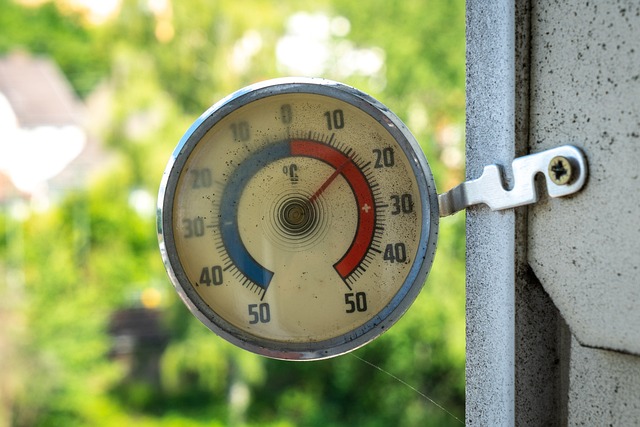 the interim. You get a stretch without plant-damaging cold, and you start dreaming of your fruit tree orchard: mangoes, bananas, oranges, avocadoes! Then you are delivered a reality check like we received a couple of weeks ago. Multiple nights with temps in the 20s, and the yard is suddenly filled with apparently annihilated foliage. What was vibrant and full of promise on Monday is brown and lifeless on Tuesday. Now what? It’s an excellent exercise in deciding whether to wait patiently or initiate an immediate, thorough expurgation. Ministry has those moments, too!
My yard is a collage of carnage. Dead fronds everywhere. Whole fruit trees that look blowtorched.
The immediate impulse is to start hacking off the dead stuff, for aesthetic reasons if nothing else. The brown ugliness is an offense to the eyes, and every time you walk through the yard, the trauma is reinforced. Wouldn’t it feel great to take energetic action, just excising the obviously dead detritus, filling up bags of yard-grief, and hauling them to the curb where the county can ferry them on to their landfill destiny.
Get rid of what is already gone and cut back to what yet lives and wait patiently for spring and new growth. It would feel cathartic!
But it might also not be the best bet for the plants a person has cared for and enjoyed all these years. What appears to be dead may yet actually revive with renewed life. And sometimes what is truly dead protects what will yet be new life, like the scab over a gnarly wound. What is ugly on the surface can yet be part of the healing process.
The advice from gardeners is to be patient and wait. Our local botanical garden was one of many sources that published paragraphs like this:
Pruning your plants now can cause new growth to be damaged as temperatures fluctuate, especially if another freeze occurs. If you’ve already started pruning your plants, stop. Keep an eye on the new growth, and take any protective measures needed if temperatures dip again.
It can be frustrating to wait. It can feel like doing nothing . . . when the circumstances seem to scream for action! (Waiting, as the great theologian Tom Petty points out, can be the hardest part.) Waiting can also be the healthiest, most productive, wisest move we can make.
When a ministry plan is not working, when a program is floundering, when a class is struggling, when a person is letting us down, we want action. Dramatic action, change for change’s sake, can feel like confident, robust leadership. We want to rip the dysfunctional, apparently dead thing out by the roots and start planting fresh as quickly as possible, but that may be an overreaction that discards what still has life, what still has value. It may destroy roots that, with a little tender care, will grow a new and beautiful thing. This growth may preserve a heritage worth saving. It can also be far cheaper and much less work than starting from scratch.
Patience. Waiting. Talk to others to work through a plan carefully and cooperatively conceived before jumping to conclusions and chainsawing your way through the old “landscape.” Sometimes nursing an old thing through a frozen season can bring unexpected new life.
On the other hand, when there is clear emergency action to be taken, don’t ignore a crisis. Don’t make magical thinking the decider just because diligence seems like too much work. I did, to the extent that I was able, bring in my potted plants, and they yet live. My little container friends survived what their yard buddies did not.
Sadly, that same week, I did not exercise the same wise actionable discernment with my tropical freshwater fish. They showed signs of “the ick,” an infestation of parasites that is treatable when immediately addressed with an exacting regimen of water replacement and pharmaceutical interventions. I ignored the evidence, because I was busy with other crises and because the intervention was going to be time-consuming. I hoped for the best; maybe it was just a small plague.
It was not.
Two weeks ago, I tended a vibrant community of little fish friends. Now only two hearty souls remain. It’s an aquatic disaster. It was a preventable disaster, and the fault lies with me. (Well, it was bad luck that the ick found its way into the tank, but once it did, my nonaction was a choice that resulted in death and destruction.)
There are critical developments over which we have no control and the response to which is to wait with tender observation and patient, delayed response. There are also critical developments which we can mitigate with quick, focused action. We should know which is which. We should honestly assess which situation we find ourselves in, and we should respond accordingly with logic and detailed information, not with emotion or performative undertakings. We should look two weeks or two months or two years down the road, take a deep breath, and solve for the future.
If there is hard work to be done – or if the work is waiting itself – it can be emotionally draining. These are hard decisions. Let others help. Let others support us in our work or in our waiting. Information is fuel for good decision making, and the support of others is the foundation of healthy decision making and positive outcomes.
How do you and your teams do at deciding what needs to be pruned immediately and what should wait for a better season? Do you have a process for making such decisions? Do you react with emotion or with thoughtful consideration? Are you honest about what’s happening? What lessons have you learned from your own experiences with deep freezes, pet care gone wrong, and ministry mayhem? What joy do you derive when reading these examples, because you remember times when you got it right? Celebrate in the comments section below!


Leave A Comment
You must be logged in to post a comment.