By Eddie Pipkin

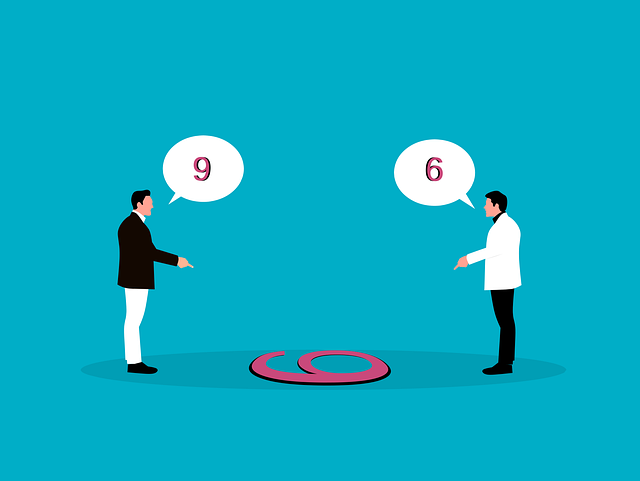
Image by Clker-Free-Vector-Images from Pixabay
I was on a cross-state, multi-day bike ride last week, and it was an excellent laboratory for appreciating thoughtful design. As I rode on numerous bike trails and made it safely across dozens of pedestrian crossings, there were several confounding examples of bad design, numerous instances of adequate but boring design, and a few remarkable demonstrations of truly thoughtful design. I had plenty of time on my hands, a pace which lent itself to deep thinking, and no screens to distract me, so it was a perfect time to be thankful for those who go the extra mile. Attentive and considerate planning brings delight and appreciation . . . on a bike and in a church, especially for a first-time traveler.
What are the criteria for thoughtful design?
First, it has to be functional. It has to work the way it is supposed to work. It has to be safe. It should be intuitive (easy to figure out and easy to use). If it doesn’t work, or if it’s difficult to use, people aren’t going to make it a habit. People are going to avoid it if there’s any way to avoid it. So, the first priority should always be functionality, excellence, and ease of use.
Beyond functionality, however, beauty and jocosity are qualities that bring joy to participation in any event, program, or system. These elements can help people find deeper meaning in doing whatever it is they are doing and give them a framework for gratification, for appreciating being a part of what you have designed.
I’ll give you a couple of examples of what this can look like on a bike ride, and then we’ll consider a couple of examples from the ministry world.
If you are riding a bicycle for 200 miles, even if you are on a dedicated trail system as opposed to being on the open road, you will still need to navigate dozens of street crossings, frequently at busy intersections with lots of traffic. There are many ways for traffic engineers and multi-use trail designers to approach this challenge, the simplest being the kind of crosswalk that we are all familiar with from any urban setting. You press a button and wait for the “walk” symbol. This system is ubiquitous, functional, and generally safe. When it transcends to thoughtful, however, is when it includes heightened signage to let drivers know to be on the lookout for bikers, when flashing lights are included suspended over the crossing or even embedded in the crosswalk, and when the buttons that must be pushed to activate the safety features are easy to reach on the pathway. Also, trial directions on (fun) signs and even painted directly on the pavement or sidewalk are greatly appreciated.
Every crossing also has a curb cut, and every curb cut has the potential to be a hard, uneven bump or a smooth, even transition (and God bless the ADA for the fact that curb cuts are now common) – but an extra shout-out to local crews who have smoothed out those transitions from street to sidewalk with tender care. My bike and my bottom thank you.
Of the thoughtful design feature that made me smile perhaps widest on this trip was a trail design in Pinellas County (Fl) that followed three miles of power line right-of-way. This is a common strategy for creating space for a multi-use trail since the open land is available under those towering power lines, but in most applications these asphalt trails are long and straight with no variation. In this case, the Starkey Gap Trail, the pavement meandered delightfully in gentle curves, many of which were bordered by curated natural plantings. A long, straight trail can be so boring, but rolling curves are so much more fun. They brought a smile to my face and a shot of adrenaline to my legs, and on this day, even more importantly, a crucial break in the vexatious 20-mile-an-hour headwind we were battling. Somebody, somewhere, sitting at a drafting desk or tossing out ideas in a planning session, said, “Why don’t we bring some personality to this section of otherwise uninspiring trail,” and years later, on a random Friday morning, somebody else took joy in their vision.
Be that person. Be the thoughtful designer. Take the extra step – invest the extra work in adding one more layer of a little something extra to your plan. Understand the audience. Give your projects some personality.
So, what does this look like in the ministry space?
There are so many functional components to the nuts and bolts of ministry from how we manage our facilities to how we sign people up to take part in our offerings to how we communicate the information they need to know to how people get answers to their questions or volunteer or receive services or grow in discipleship or get a problem solved.
All of these systems and procedures are ripe for thoughtful design.
We in the church world are too often guilty of designing features and systems that are pretty on the surface but score low in functionality and ease of use. This can be a case of “doing more harm than good,” when we hype something that looks like a terrific opportunity in the advertising but turns out to be problematic in accessibility or practical usage. Websites that are clunky or loaded with dead-end links, out-of-date, or counter-intuitive to navigate. Service projects that are difficult to sign up for or even understand what’s involved, or you can get signed up for them, but then the work is not what was advertised or the logistics are overly complicated and unpleasant. Giving systems that require three too many steps. Giving systems, above all systems, should be as simple as possible!
Take for example, how to sign up for participation in an event, small group opportunity, or service project. This process should, first of all, be functional and easy to use. Many of us are using app packages or related off-the-shelf software, which can be great. Just be sure it’s a system that people (all people in your community) can use, and if it’s difficult for some groups to navigate, get them help with the navigating. Don’t assume that just because you are tech-savvy or love all things “app” that everybody does. And always be sure that a person who wants to participate is one click away (or one phone number away) from an honest-to-gosh human person to whom they can talk. That one-to-one connection (that relationship) has always been the core of effective ministry, and it always and forever will be.
Beyond the functionality, though, add a little fun. Have an animated emoji that pops up once the sign-up is complete and identifies the newly registered participant as a “Helpful Hero”! Send along updates for the upcoming event that are whimsical and positive. Have an easily accessible method for asking follow-up questions.
Thoughtful design can make a difference in so many ways:
- Signage on your campus.
- Introductions to your cultural norms.
- The physical layout of events.
- Online communication (especially the interactive portions – ways to respond and make queries).
- Sightlines, sound balance, and accessibility options for worship and other large gatherings.
- Traffic flow in your facilities.
- Hospitality stations and teams.
- Graphical representations of who’s who in your organization, as well as how your organization is goverened and makes decisions.
- Membership directories.
- Access to spiritual guidance and educational materials.
- Small group and discipleship opportunities.
- Service options.
Thoughtful design in any or these areas will be appreciated and celebrated. People will take note and they will feel valued because you took the time to make something comfortable, enjoyable, and a little extra special.
Look over your existing systems and see what thoughtful adjustments you might make. Incorporate a “thoughtful design review” into your planning processes.
Leave a thoughtfully designed, perhaps even whimsical comment below.



Leave A Comment
You must be logged in to post a comment.