by Eddie Pipkin

Image by VuNgocQuang from Pixabay
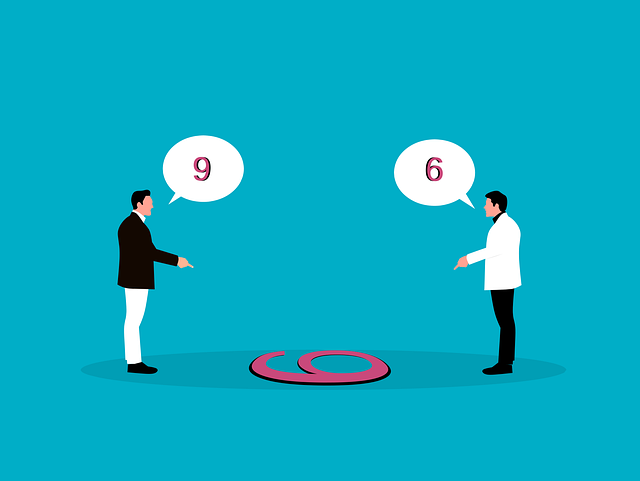
We work with a lot of teams to get our jobs done. If we’ve been working for a long time, we remember great teams and dismal teams, fun teams and frustrating teams, teams that supported us and made us stronger and teams that disintegrated into adversarial squabbles and made us hate life. The creation of any new team foreshadows the memories down the road: Will this team be great, or will it be a big, hot mess? The outcome depends on how the team is chosen and how the team is led. It depends on balance and how we calculate the worth of each team member.
The formation of committees and teams is a mystical process. When do we need to form a team? Is every project worthy of one? How many people will be on the team (or often, in traditional parlance, a committee!)? We tend to follow the old, familiar models. A big project needs a big, flashy committee. We default to the average numbers for such groups, five or seven or, Lord help us, 10, or we put on a representative from every group likely to be involved or affected on the committee. Sometimes we add members not so much because their ministry areas are likely to be directly involved or affected, but instead because of the reality that they have political power in our institution. This can be problematic down the road, of course, when a group that has legacy leadership power can veto ideas, not because they have expertise or skin in the game, but just because they have legacy power. (This sort of thing self-perpetuates. It’s a hard cycle to break.)
It is a better model to have a thoughtful process for setting up any new committee or work team. What is the most efficient structure? Who are the most important people to get on board? Are they chosen because they are the superstar leaders that we put on every leadership group, or do they have specific expertise, experience, and insight relevant to this project?
Even with a uniquely defined, tightly structured committee or team, we will still have plenty of opportunities to get outside input from affected groups. But there’s a difference between informed input and veto power.
I heard an interview last week with Jackie Townsend, the project manager for the recently launched Nancy Grace Roman space telescope (a launch my wife and I got to watch in person from the space coast, incidentally – and just as an added note, I’d recommend getting over there to watch a launch in person sometime, especially if they are returning boosters; it’s phenomenal).
Townsend emphasized the value of a team that affords equal respect to each and every member. It’s easy, she noted, for leadership hierarchies to influence how a team operates, with extra deference being paid to people who have loftier job titles or established seniority. She argues that this is a mistake. The best-run and most productive groups value each team member for the unique skill set and perspective they bring to the project. Everyone should feel comfortable sharing their contributions, and every other person on the team should value those contributions and respect them accordingly. This is how small things bubble, and these small things can, in the end, have a big, lasting impact.
This is not traditionally how many local church committees and teams function.
We have a long history of leadership “top dogs” whose voices dominate discussions and whose preferences prevail from project to project. If we are caught up in this cycle, and we get to wondering why progress is stalled or our vision is stale, we might find new direction by rethinking how we structure our teams and what the leadership culture we build within those teams looks like.
We tend to think in terms of leadership MVPs (Most Valuable Players), but what if, instead, we built teams that feature EVPs (Ever Valuable Player – or you might rather construct that acronym as EPV, for Every Player Valuable). How to build such a culture? Just by stating that goal out loud, “We’re going to be a team of EPVs rather than MVPs,” gets things off on the right foot. Giving equal opportunities to speak, providing ample opportunities for suggestions from all team members to be considered, welcoming the pointing out of potential problems from all team members, giving individuals the opportunity to lead different aspects of the process, and celebrating the unique contributions of individuals can be strategies for building that culture.
Townsend spoke at length about the ability of team members to freely express concerns. This is a big deal when you are building a billion-dollar space telescope. People who are involved in day-to-day design and testing have clear knowledge of little issues that have the potential to become big disasters later. Higher placed managers might not have that specific knowledge, but if team gets caught up in meeting deadlines and providing positive progress reports, the culture can inadvertently become one that disdains and even punishes any pushback or safety alert. This can and has led to notable disasters in the space program (note both shuttle tragedies). Townsend argues that it’s much better and much more productive to build open communication and empower team players who would raise specific concerns.
At local churches, we’re not building high stakes flying observatories, but we are doing important work that ultimately affects the lives or real people. The folks who are designing and implementing that ministry (and who have done so many times before) can spot concerns that we should take seriously and address. Pausing to thoughtfully work through real and potential issues can save us much future stress and agony. Plus, it’s not all spotting problems, per se. People with special insights and experience can offer subtle design ideas that really take projects to the next level.
How do you do with your teams and committees? Is there dominance of leadership, with select voices routinely sucking all the oxygen from the room, or is there a genuine celebration of all views and perspectives from all team members? What steps can you take to adjust your leadership culture? How hard will it be to implement? What would be the benefits if you did?